

John Chapter 1
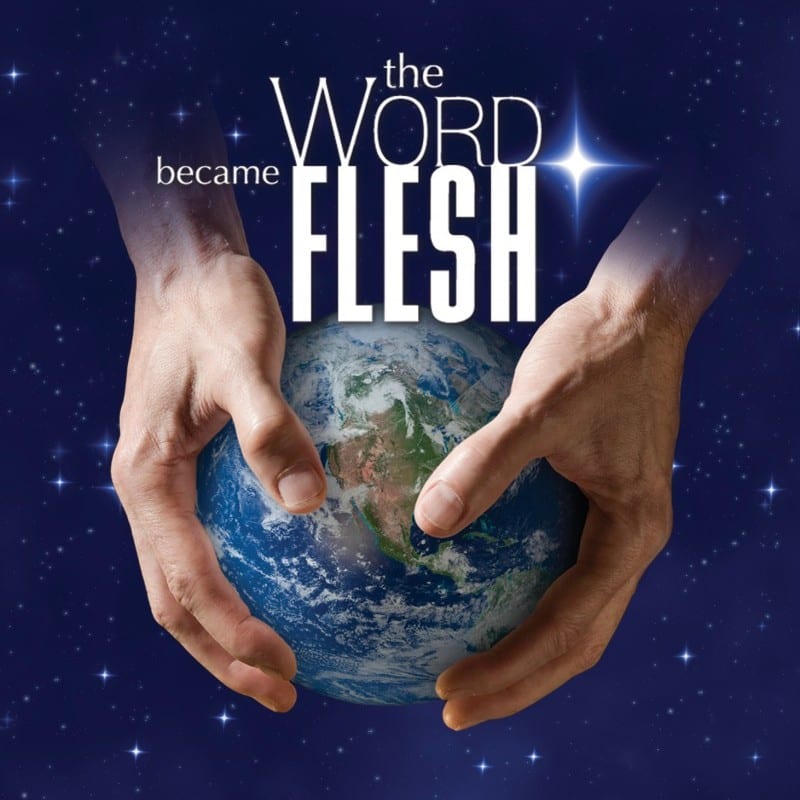
The Word Became Flesh
1
In the beginning was the Word,
and the Word was with God,
and the Word was God.
2
He was with God
in the beginning.
3
Through him
all things were made;
without him
nothing was made
that has been made.
4
In him was life,
and that life was
the light of
all mankind.
5
The light shines
in the darkness,
and the darkness has not
overcome it.
6
There was a man
sent from God
whose name was John.
7
He came as a witness
to testify concerning that light,
so that through him
all might believe.
8
He himself
was not the light;
he came only
as a witness to the light.
9
The true light
that gives light to everyone
was coming into the world.
10
He was in the world,
and though
the world was made
through him,
the world did not
recognize him.
11
He came to that
which was his own,
but his own
did not receive him.
12
Yet
to all who did receive
him,
to those
who believed in his
name,
he
gave the right
to become
children of God—
13
children born not of
natural descent,
nor of human decision
or a husband’s will,
but
born of God.
14
The Word
became flesh
and
made his dwelling
among us.
We have seen his glory,
the glory of the one and only Son,
who
came from the Father,
full of
grace
and truth.
15
(John testified concerning him.
He cried out, saying,
“This is the one
I spoke about when I said,
‘He who comes after me
has surpassed me because
he was before me.’”)
16
Out of his fullness
we have all received grace
in place of grace already given.
17
For the law was
given through Moses;
grace and truth
came through
Jesus Christ.
18
No one has ever seen God,
but the one and only Son,
who is himself God
and is in closest relationship
with the Father,
has made him known.
John the Baptist Denies Being the Messiah
19
Now this was John’s testimony
when the Jewish leaders in Jerusalem
sent priests and Levites to ask him
who he was.
20
He did not fail to confess,
but confessed freely,
“I am not the Messiah.”
21
They asked him,
“Then who are you?
Are you Elijah?”
He said, “I am not.”
“Are you the Prophet?”
He answered, “No.”
22
Finally they said,
“Who are you?
Give us an answer to take back
to those who sent us.
What do you say about yourself?”
23
John replied
in the words of Isaiah the prophet,
“I am the voice of one calling
in the wilderness,
‘Make straight
the way for the Lord.’”
24
Now the Pharisees
who had been sent
25
questioned him,
“Why then do you baptize
if you are not the Messiah, nor Elijah,
nor the Prophet?”
26
“I baptize with water,”
John replied,
“but among you
stands one you do not know.
27
He is the one
who comes after me,
the straps of whose sandals
I am not worthy to untie.”
28
This all happened at Bethany
on the other side of the Jordan,
where John was baptizing.
John Testifies About Jesus
29
The next day
John saw Jesus
coming toward him and said,
“Look, the Lamb of God,
who takes away
the sin of the world!
30
This is the one I meant when I said,
‘A man who comes after me
has surpassed me
because
he was before me.’
31
I myself did not know him,
but the reason I came baptizing
with water was that he might be
revealed to Israel.”
32
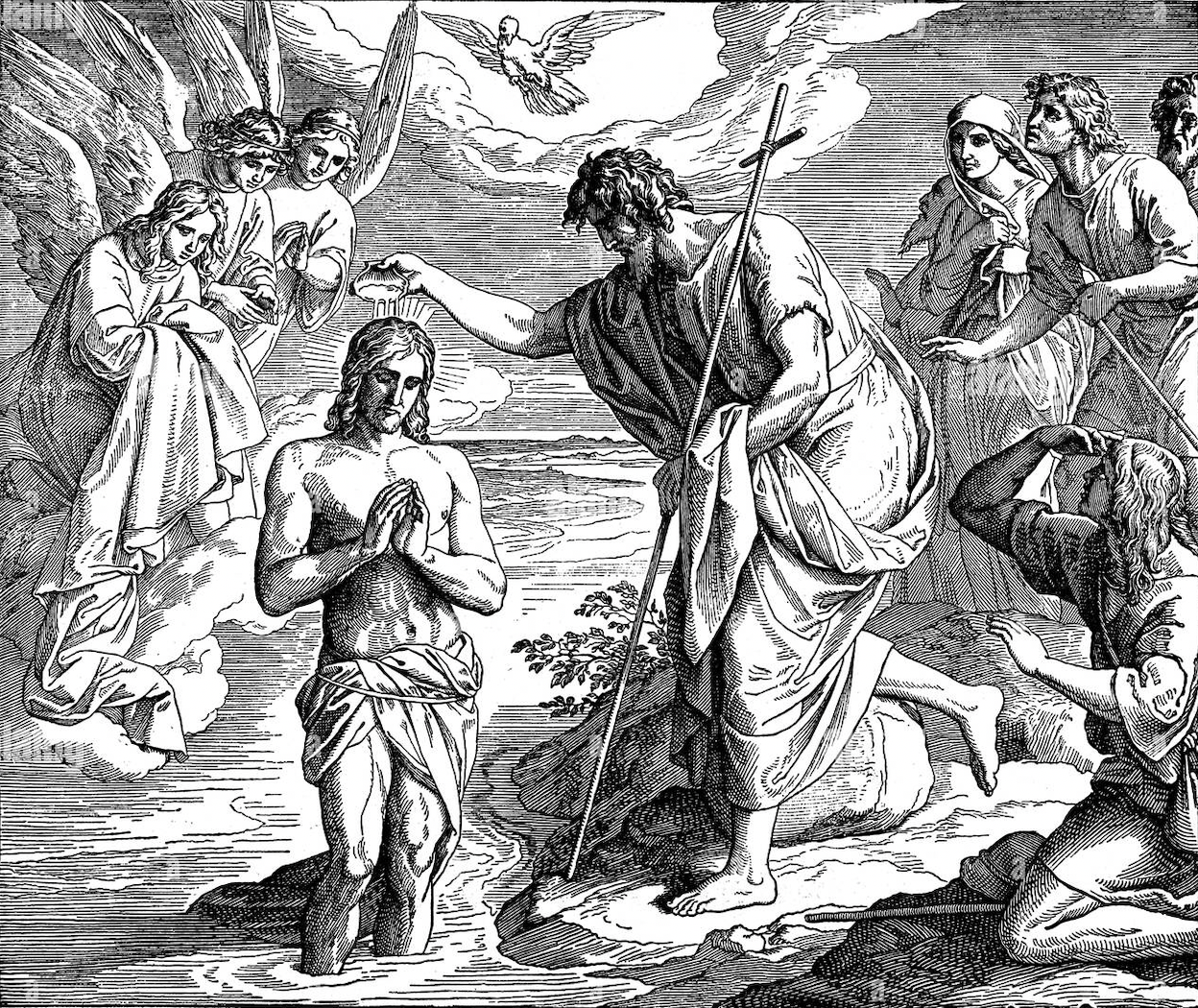
Then John gave this testimony:
“I saw the Spirit come down
from heaven as a dove and
remain on him.
33
And
I myself did not know him,
but the one who sent me to baptize
with water told me,
‘The man
on whom you see the Spirit
come down and remain is
the one who will baptize
with the Holy Spirit.’
34
I have seen and
I testify that this is God’s
Chosen One.”
John’s Disciples Follow Jesus
35
The next day
John was there again
with two of his disciples.
36
When he saw
Jesus passing by,
he said,
“Look, the Lamb of God!”
37
When the two disciples
heard him say this,
they followed Jesus.
38
Turning around,
Jesus saw them following and asked,
“What do you want?”
They said, “Rabbi”
(which means “Teacher”),
“where are you staying?”
39
“Come,”
he replied,
“and you will see.”
So they went and saw
where he was staying,
and they spent
that day with him.
It was about
four in the afternoon.
40
Andrew,
Simon Peter’s brother,
was one of the two who heard
what John had said and who had
followed Jesus.
41
The first thing Andrew did was
to find his brother Simon and tell him,
“We have found the Messiah”
(that is, the Christ).
42
And he brought him to Jesus.
Jesus
looked at him and said,
“You are Simon son of John.
You will be called Cephas”
(which, when translated, is Peter[g]).
Jesus Calls Philip and Nathanael
43
The next day
Jesus decided to leave for Galilee.
Finding Philip,
he said to him,
“Follow me.”
44
Philip,
like Andrew and Peter,
was from the town of
Bethsaida.
45
Philip found
Nathanael and told him,
“We have found the one
Moses wrote about in the Law,
and about whom
the prophets also wrote—
Jesus of Nazareth,
the son of Joseph.”
46
“Nazareth! Can anything good
come from there?”
Nathanael asked.
“Come and see,” said Philip.
47
When Jesus saw
Nathanael approaching,
he said of him,
“Here truly is an Israelite
in whom there is no deceit.”
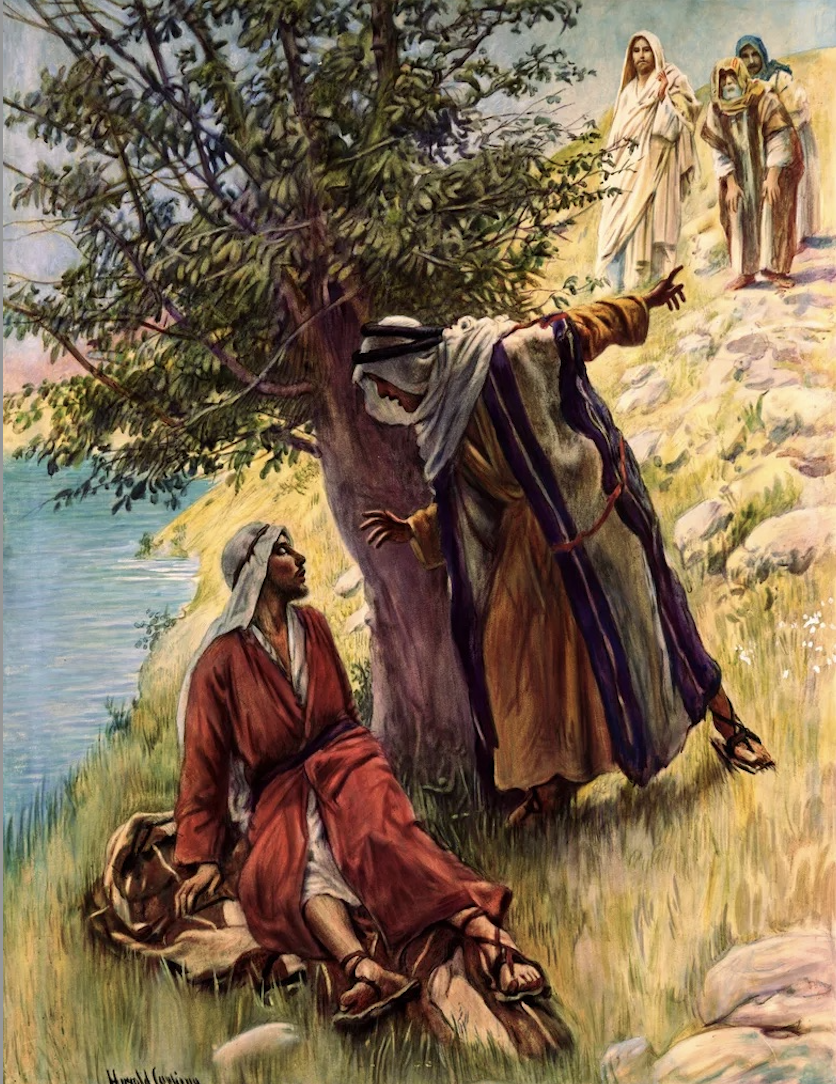
48
“How do you know me?”
Nathanael asked.
Jesus answered,
“I saw you
while you were still under
the fig tree before Philip called you.”
49
Then Nathanael declared,
“Rabbi, you are the Son of God;
you are the king of Israel.”
50
Jesus said,
“You believe because I told you I saw you
under the fig tree.
You will see
greater things than that.”
51
He then added,
“Very truly I tell you,
you will see
‘heaven open, and the angels of God
ascending and descending
on’ the Son of Man.”
요한복음 1장
말씀이 육신이 되시다
(요 1:1)
태초에 )말씀이 계시니라
이 말씀이
하나님과 함께 계셨으니
이 말씀은
곧 하나님이시니라
(요 1:2)
그가 태초에
하나님과 함께 계셨고
(요 1:3)
만물이
그로 말미암아
지은 바 되었으니
지은 것이 하나도
그가 없이는
된 것이 없느니라
(요 1:4)
그 안에
생명이 있었으니
이 생명은 사람들의 빛이라
(요 1:5)
빛이
어둠에 비치되
어둠이 깨닫지 못하더라
(요 1:6)
하나님께로부터
보내심을 받은 사람이 있으니
그의 이름은 요한이라
(요 1:7)
그가 증언하러 왔으니
곧 빛에 대하여 증언하고
모든 사람이 자기로 말미암아
믿게 하려 함이라
(요 1:8)
그는 이 빛이 아니요
이 빛에 대하여 증언하러 온 자라
(요 1:9)
참 빛
곧 세상에 와서
각 사람에게 비추는
빛이 있었나니
(요 1:10)
그가
세상에 계셨으며
세상은
그로 말미암아
지은 바 되었으되
세상이 그를 알지 못하였고
(요 1:11)
자기 땅에 오매
자기 백성이 영접하지
아니하였으나
(요 1:12)
영접하는 자
곧 그 이름을 믿는 자들에게는
하나님의 자녀가 되는
권세를 주셨으니
(요 1:13)
이는 혈통으로나 육정으로나
사람의 뜻으로 나지 아니하고
오직 하나님께로부터 난 자들이니라
(요 1:14)
말씀이 육신이 되어
우리 가운데 거하시매
우리가
그의 영광을 보니
아버지의
독생자의 영광이요
은혜와 진리가
충만하더라
(요 1:15)
요한이
그에 대하여 증언하여
외쳐 이르되
내가 전에 말하기를
내 뒤에 오시는 이가 나보다 앞선 것은
나보다 먼저 계심이라 한 것이
이 사람을 가리킴이라 하니라
(요 1:16)
우리가 다
그의 충만한 데서 받으니
은혜 위에
은혜러라
(요 1:17)
율법은
모세로 말미암아
주어진 것이요
은혜와 진리는
예수 그리스도로
말미암아 온 것이라
(요 1:18)
본래
하나님을 본 사람이 없으되
아버지 품 속에 있는
독생하신 하나님이
나타내셨느니라
세례 요한의 증언
(요 1:19)
유대인들이 예루살렘에서
제사장들과 레위인들을
요한에게 보내어
네가 누구냐 물을 때에
요한의 증언이 이러하니라
(요 1:20)
요한이 드러내어 말하고
숨기지 아니하니
드러내어 하는 말이
나는 그리스도가 아니라 한대
(요 1:21)
또 묻되
그러면 누구냐 네가 엘리야냐
이르되 나는 아니라
또 묻되 네가 그 선지자냐
대답하되 아니라
(요 1:22)
또 말하되 누구냐
우리를 보낸 이들에게 대답하게 하라
너는 네게 대하여
무엇이라 하느냐
(요 1:23)
이르되
나는 선지자 이사야의 말과 같이
주의 길을 곧게 하라고
광야에서 외치는 자의
소리로라 하니라 (사 40:3)
(요 1:24)
그들은
바리새인들이
보낸 자라
(요 1:25)
또 물어 이르되
네가 만일 그리스도도 아니요
엘리야도 아니요 그 선지자도 아닐진대
어찌하여 세례를 베푸느냐
(요 1:26)
요한이 대답하되
나는 물로 세례를 베풀거니와
너희 가운데 너희가 알지 못하는
한 사람이 섰으니
(요 1:27)
곧 내 뒤에 오시는 그이라
나는 그의 신발끈을 풀기도
감당하지 못하겠노라 하더라
(요 1:28)
이 일은
요한이 세례 베풀던 곳
요단 강 건너편 베다니에서
일어난 일이니라
하나님의 어린 양을 보라
(요 1:29)
이튿날
요한이 예수께서
자기에게 나아오심을 보고 이르되
보라
세상 죄를 지고 가는
하나님의 어린 양이로다
(요 1:30)
내가 전에 말하기를
내 뒤에 오는 사람이 있는데
나보다 앞선 것은 그가 나보다 먼저
계심이라 한 것이
이 사람을 가리킴이라
(요 1:31)
나도 그를 알지 못하였으나
내가 와서 물로 세례를 베푸는 것은
그를 이스라엘에
나타내려 함이라 하니라
(요 1:32)
요한이 또 증언하여 이르되
내가 보매
성령이 비둘기 같이
하늘로부터 내려와서
그의 위에 머물렀더라
(요 1:33)
나도 그를 알지 못하였으나
나를 보내어
물로 세례를 베풀라 하신
그이가 나에게 말씀하시되
성령이 내려서
누구 위에든지 머무는 것을 보거든
그가 곧
성령으로
세례를 베푸는 이인 줄
알라 하셨기에
(요 1:34)
내가 보고
그가 하나님의 아들이심을
증언하였노라 하니라
요한의 두 제자
(요 1:35)
또 이튿날
요한이 자기 제자 중
두 사람과 함께 섰다가
(요 1:36)
예수께서 거니심을 보고 말하되
보라 하나님의 어린 양이로다
(요 1:37)
두 제자가
그의 말을 듣고
예수를 따르거늘
(요 1:38)
예수께서 돌이켜
그 따르는 것을 보시고 물어 이르시되
무엇을 구하느냐
이르되
랍비여 어디 계시오니이까 하니
(랍비는 번역하면 선생이라)
(요 1:39)
예수께서 이르시되
와서 보라
그러므로
그들이 가서 계신 데를 보고
그 날 함께 거하니 때가 열 시쯤 되었더라
(요 1:40)
요한의 말을 듣고
예수를 따르는 두 사람 중의 하나는
시몬 베드로의 형제
안드레라
(요 1:41)
그가 먼저
자기의 형제 시몬을 찾아 말하되
우리가 메시야를 만났다 하고
(메시야는 번역하면 그리스도라)
(요 1:42)
데리고 예수께로 오니
예수께서 보시고 이르시되
네가 요한의 아들 시몬이니
장차 게바라 하리라 하시니라
(게바는 번역하면 베드로라)
빌립과 나다나엘을 부르시다
(요 1:43)
이튿날 예수께서 갈릴리로 나가려 하시다가
빌립을 만나 이르시되 나를 따르라 하시니
(요 1:44)
빌립은
안드레와 베드로와 한 동네
벳새다 사람이라
(요 1:45)
빌립이 나다나엘을 찾아 이르되
모세가 율법에 기록하였고
여러 선지자가 기록한 그이를
우리가 만났으니
요셉의 아들
나사렛 예수니라
(요 1:46)
나다나엘이 이르되
나사렛에서 무슨 선한 것이 날 수 있느냐
빌립이 이르되
와서 보라 하니라
(요 1:47)
예수께서
나다나엘이 자기에게
오는 것을 보시고
그를 가리켜 이르시되
보라 이는 참으로 이스라엘 사람이라
그 속에 간사한 것이 없도다
(요 1:48)
나다나엘이 이르되
어떻게 나를 아시나이까
예수께서 대답하여 이르시되
빌립이 너를 부르기 전에
네가 무화과나무 아래에 있을 때에
보았노라
(요 1:49)
나다나엘이 대답하되
랍비여 당신은 하나님의 아들이시요
당신은 이스라엘의 임금이로소이다
(요 1:50)
예수께서 대답하여 이르시되
내가 너를 무화과나무 아래에서
보았다 하므로 믿느냐
이보다 더 큰 일을 보리라
(요 1:51)
또 이르시되
진실로 진실로 너희에게 이르노니
하늘이 열리고
하나님의 사자들이
인자 위에 오르락 내리락 하는 것을
보리라 하시니라
Holy BIBLE
New International Version (NIV)
성경/개역개정
***
LLCN
http://www.loaloachristiannetwork.com/
<Photo from app>